- +91-8882964379
- info@certilize.com

Why MOEF Permission to import used tyres in India
Introduction
The modern day world is in a paradox, and even as the global trade and industrialization opens opportunities, it has also brought in huge amounts of waste. Of the numerous wastes, used tyres are especially bad. As millions of vehicles face retirement annually, piles of used tyres are becoming concerns to environmental safety and health all over the planet.
The consumption of tyres has increased by a very high rate in India where automotive industry has grown rapidly and mobility is increasing. Therefore, the management of end-of-life tyres (ELTs) is a major challenge to the country. To make things complicated, the importers want to import used tyres with different intentions such as recycling, retreading and recovery of oil through pyrolysis.
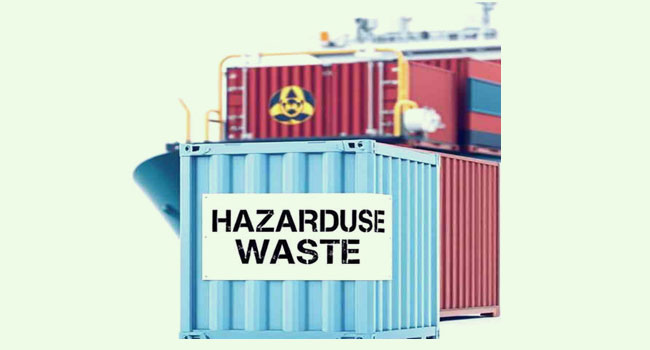
The importation of used tyres is not, however, an easy business choice. It is a controlled operation and solely guided by the ministry of environment, forest and climate change (MOEF&CC) through Hazardous and Other Wastes (Management and Transboundary Movement) Rules, 2016. This makes the permission of MOEF compulsory to anybody who tries to import used tyres to India.
This blog justifies the need to have MOEF permission, the environmental and health issues surrounding the used tyre imports, the process involved in the regulatory procedures and the penalties that would be imposed in case of non-compliance. It also brings out the way of acquiring dgft tyre import license, the importance of moef permission, and the necessity of import scrap tyre moef license consultants, moef hazardous waste import permissions, hazardous waste import permit.
The Global Challenge of Used Tyres
Tyres are not biodegradable. After being disposed of, they remain in the environment decades. Approximately 1.5 billion tyres are disposed every year worldwide. It is very difficult to have them under control since:
- They are cumbersome and consume huge areas in the landfill.
- They are non-biodegradable and non-decomposable.
- They are flammable releasing toxic gases and oils.
- They cause pests and breeding of mosquitoes.
- Pyrolysis or informal burning emits toxic gases.
Those countries with limited landfill areas such as India, which experiences an increasing population, are more susceptible to the dangers of uncontrolled imports of used tyres. To control this, the government has made moef permissions to be conditional to dgft tyre import license so that before clearance of shipment proper environmental checks are passed.
The reason why Companies import used Tyres
Although, there are environmental hazards associated with the importation of used tyres, there are various commercial reasons why businesses import used tyres:
- Retreading – Good tread tyres that are left are retreaded and sold at low prices.
- Recycling – Tyres are processed into crumb rubber to use as mats, sports tracks and road material.
- Low-Priced Raw Material – The imported used tyres are cheap compared to the new ones.
But, in most instances, the developed countries are able to dispose of their waste to the developing countries through exports. Therefore, India has required MOEF approval and valid dgft import license in order to control these imports. The DGFT license restriction of items import license makes sure that such goods are handled by trustworthy recyclers and retreaters.
Environmental and Human Health Concerns
- Fire Hazards-Tyre fires are difficult to put off and emit toxic smoke and dioxins.
- Toxic Emissions- Pyrolysis plants that are not regulated release toxic chemicals and heavy metals.
- Water and Soil Contamination- leachates released by dumped tyres contaminate ground water.
- Mosquito Breeding- Stagnant water in tyres breeds disease carrying mosquitoes.
- Occupational Hazards – Informal recycling units can be very dangerous to the workers as they expose them to respiratory infections and skin ailments.
Because of these facts, before importing used tyres to India, the importers have to receive both MOEF approval and dgft license.
Regulatory Framework for Import of Used Tyres in India
Hazardous and Other Wastes (Management and Transboundary Movement) Rules, 2016
- Tyres that have been used are classified under hazardous wastes.
- Only recycling, retreading and reuse are allowed.
Ministry of Environment, Forest and Climate Change (MOEF&CC)
- All imports of used tyres are subject to MOEF permission.
- It guarantees the safety of the environmental aspects of the importing plant.
Directorate General of Foreign Trade (DGFT)
- DGFT is categorising used tyres as restricted items.
- Before trading, importers require a dgft restricted items import license, and MOEF NOC.
- A dgft tyre import license is a certificate that the importer complies with all the safety and recycling standards.
Customs Authorities
- Confirm the dgft license of importation and clearance by MOEF and release of consignments.
- CPCB & SPCBs
- Recycle after importation, and make sure that this conforms to environmental standards.
Procedure to import Used tyres in India
Eligibility Check
Eligible candidates can be registered as recyclers, retreaders and manufacturers who use crumb rubber.
Documentation
The paperwork needed in the import license of dgft tyres:
- IEC Code, company registration, SPCB Consent to Operate, facility information and compliance documentation.
DGFT Application
Register a dgft import license online through DGFT portal and provide MOEF related papers.
MOEF Review
Environmental safety is reviewed by Hazardous Substances Division then clearance is issued.
MOEF Permission (NOC)
In case it is approved, MOEF issues NOC with specification of quantity and purpose.
DGFT License
With the reception of NOC, DGFT issues the dgft with the restricted items import license, which completes the compliance cycle.
Customs Clearance
Importer offers dgft license of import and MOEF NOC of clearance.
Post-Import Compliance
The importers are required to keep a record of recycling and file periodic reports to CPCB.
Government Fees for Import
As per DGFT’s fee schedule:
- Rs. 1 for every Rs. 1000 CIF value.
- Minimum Rs. 500, Maximum Rs. 1,00,000.
- The fee is similar regardless of the application made on a dgft tyre import license, dgft import license, or a dgft restricted items import license.
Why MOEF Permission is a requirement
- Eliminates the possibility of making India a waste disposal ground.
- There is an assurance that only facilities that are valid in dgft license to import and their safety approvals can recycle tyres.
- Shields the environment and the society against dangerous emissions.
- Favors the cyclical economy via controlled recycling.
- Brings accountability to the law via the joint approval under MOEF and DGFT.
Punishment for Import without MOEF Permission
- Customs seizure of consignment.
- Sanctions given in the Environment (Protection) Act, 1986.
- Misuse of dgft import license by Blacklisting by DGFT.
- Potential criminal charges of repeat offenses.
The Push of Recycling in India
India is enhancing the local recycling abilities through emission-checked pyrolysis and crumb rubber plants. The dgft restricted items import license is such that only the compliant recyclers are part of the system.
Through the necessity to obtain dgft tyre import license and permission from MOEF, the government will protect the environment, provide employment, and prevent illegal dumping of waste.
Conclusion
Commercial viability of importation of used tyres may be apparent, but the environmental and health hazards may be serious and severe. In order to avoid dumping of the products illegally, to safeguard the ecology of India, it is important to acquire MOEF approval and a valid dgft tyre import license.
Dgft restricted items import license and dgft license for import framework have put in place only authorized recyclers who deal with used tyres in a responsible manner. This system contributes to the objectives of a sustainable circular economy of India and protects the health of people and the local industries.
The regulated imports via MOEF and DGFT do not only safeguard the environment of India, but also makes India a better global trade partner.
Frequently Asked Questions
-
Is the free importation of used tyres possible?
No. They are restricted goods which demand MOEF as well as dgft import license.
-
Who can import used tyres?
Restricted items are only imported by registered recyclers or retreaders having valid dgft restricted items import license and SPCB approval.
-
What is the role of DGFT?
DGFT issues the dgft license on imports after getting the MOEF permission.
-
Is the resale of used tyres by traders possible?
No. Importation to be recycled or retread involves a dgft tyre import license that is granted to an approved recycler.
-
What will be the consequences of importing tyres without a given approval?
The consignment will be taken under customs and the dgft import license will be canceled.