On this page
- What Is Non-Ferrous Metal EPR?
- Scrap Dealer vs Collection Agent vs Recycler
- Who Needs Non-Ferrous Metal EPR Registration?
- Requirements for Collection Agents
- The duties of a collection agent include the following:
- Recycler Registration and Requirements
- How Can Recyclers Participate in the EPR Certificate System?
- Record Keeping and Traceability
- What Happens If the Rules Are Not Followed?
- Conclusion
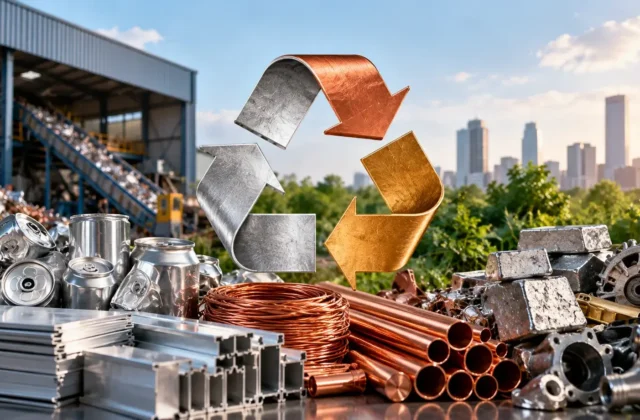
The recently enforced Non-Ferrous Metal EPR regulations have organized the process of scrap collection and recycling of such items. The regulations apply to aluminium, copper, zinc, and their alloys, and are relevant for specific companies handling these materials.
All these parties, scrap dealers, collection agents, and recyclers, might participate in this process, however, their functions are different. Knowing these functions and registration requirements will help to prevent any compliance problems for your company.
What Is Non-Ferrous Metal EPR?
Extended Producer Responsibility (EPR) requires producers to comply with recycling obligations concerning covered non-ferrous metal products.
The regulations were introduced with the help of the Hazardous and Other Wastes (Management and Transboundary Movement) Amendment Rules, 2025, and are valid since 1 April 2026. The rules regulate the registration of manufacturers, producers, collection agents, refurbishers and recyclers on the CPCB portal.
Scrap Dealer vs Collection Agent vs Recycler
These definitions might seem alike but their roles are very different.
Scrap dealer: A scrap dealer is always associated with the scrap. However, there is no such mention in Rule 45 as “scrap dealer”. However, if the scrap dealer collects the non-ferrous metal scrap from various sources and sends it to the registered recycler, then this role can be said to fall under the collection agent’s definition.
Collection agent: Collection agent refers to an entity which collects the non-ferrous metal scrap. As per the definition given in the guidelines, the registered collection agent collects the scrap from its end-of-life stage from manufacturers, producers, and bulk consumers and then sends it to the registered recyclers.
Recycler: Recycler refers to an entity who recycles the non-ferrous metal scrap. This entity has to register itself on the CPCB portal.
Who Needs Non-Ferrous Metal EPR Registration?
Rule 45 requires the following entities to register on the CPCB portal:
- Manufacturers
- Producers
- Collection agents
- Refurbishers
- Recyclers
Registration is done online through the CPCB portal. If a business falls under more than one category, it has to register separately for each applicable category. Businesses covered under these categories should not carry out the relevant activity without registration.
Requirements for Collection Agents
It is noteworthy that the collection agents play a key role in transferring scrap from scrap generators to authorized recyclers.
The duties of a collection agent include the following:
- Registration on the CPCB portal.
- Collection of EOL Non-ferrous metal scrap from manufacturers, producers and bulk consumers.
- Transfer of collected scrap to the registered recycler.
- Uploading of the mandatory details to the portal.
- Filing of half-yearly return up to 31st Oct.
- Filing of annual return up to 30th June after the financial year.
Recycler Registration and Requirements
Recyclers also need to register on the CPCB portal. The recycling plant and its processes must follow the requirements under the rules.
A registered recycler must:
- Maintain proper recycling and storage practices.
- Ensure that scrap is handled without causing harm to the environment.
- Dispose of waste generated during recycling as required.
- File half-yearly and annual returns on time.
- Keep records of the scrap received and the quantity recycled, not recycled or disposed of.
- Upload the required records on the portal regularly.
- Send non-recyclable material or fractions to another registered recycler where recycling is possible.
How Can Recyclers Participate in the EPR Certificate System?
It is possible to have an EPR certificate system for the registered recyclers through the CPCB portal.
The guidelines have provisions where the CPCB issues EPR certificates to the registered recyclers based on the quantity of the recycled product and the conversion factor. The producers will be able to purchase EPR certificates from the registered recyclers through the online portal to satisfy their EPR needs.
The certificate is valid for two years from the date of the end of the fiscal year when the certificate is issued, unless the certificate exhausts before the date of expiration according to the guidelines.
This provides an opportunity for the registered recyclers to be part of the EPR program and at the same time satisfies the needs of the producers.
Record Keeping and Traceability
Proper documentation is vital to both the collectors as well as the recyclers:
Documentation regarding the scrap material collected and sold to the registrants needs to be uploaded by the collectors. The recyclers, on the other hand, are required to document the amount of scrap collected, amount of scrap recycled, non-recycled or disposed of. Companies need to maintain proper documentation of their purchases and sales transactions, invoices, weighing records, etc. This will help in establishing the origin of the scrap, quantity collected, and destination of recycling of the scrap.
What Happens If the Rules Are Not Followed?
In case of non-compliance, then it is going to lead to environmental compensation in situations where there is an environmental and public health injury arising from non-compliance to the regulations.
Environmental compensation is not an exemption from the responsibility of EPR by the producer. In case of non-compliance to EPR, then it can still be pursued under the regulations.
False information can also lead to the cancellation of registration among others under the regulations.
Conclusion
Systematics of the cooperation between collectors and recyclers and the producers is more advanced in Non-Ferrous Metal EPR. Collectors will need to collect and dispose of the scrap correctly, and recyclers will need to comply with the requirements of registration, recycling and record-keeping.
The enterprises that use aluminum, copper, zinc or their alloys should understand their position and check whether there is the requirement of registration in CPCB. If you need support with EPR registration and metal recycling compliance, Certilize can help you with the required regulatory process and documentation.
Frequently asked questions
Does a scrap dealer need Non-Ferrous Metal EPR registration?
A scrap dealer is not listed as a separate registration category under Rule 45. However, if the business collects non-ferrous metal scrap and supplies it to recyclers, its activity may fall under the collection agent category and registration may be required.
Who needs to register under Non-Ferrous Metal EPR?
Manufacturers, producers, collection agents, refurbishers and recyclers covered by the rules need to register on the CPCB portal.
What does a collection agent do under Non-Ferrous Metal EPR?
A collection agent collects used non-ferrous metal scrap from manufacturers, producers and large consumers and sends it to registered recyclers. The required information must also be submitted on the CPCB portal.
What records must a non-ferrous metal recycler maintain?
A recycler must keep records of the scrap received and the quantity that is recycled, not recycled or disposed of. These records also need to be uploaded on the portal regularly.
Can recyclers generate EPR certificates?
Yes. The rules provide for EPR certificates to be generated through the CPCB portal in favour of registered recyclers. Producers can purchase these certificates from registered recyclers to meet their EPR obligations.