INTRODUCTION
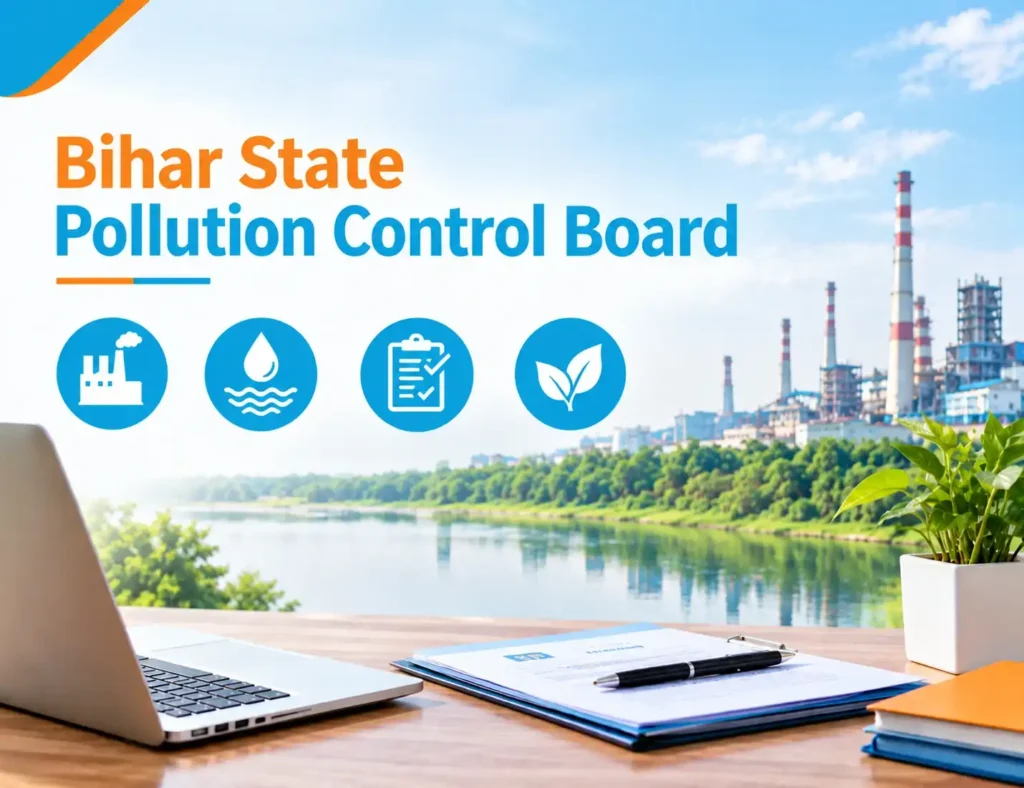
The Bihar State Pollution Control Board (BSPCB) plays an important role in safeguarding the health of people and the environment in Bihar. It was established with the aim to promote sustainable development and prevent pollution also as a, main regulatory body it is responsible for monitoring, controlling, and reducing pollution across various sectors.
The BSPCB goal is to protect Bihar environment which involves verifying the air quality and water, controlling emissions from factories, managing hazardous waste, implementing, and enforcing environmental laws. The board works to reduce pollution, safeguard natural resources, and make sure to become a greener, healthier environment for now and future generations by implementing strict regulations proactive efforts.
Extent to its regulatory duties, the board plays a crucial role in raising awareness about the environment, building partnerships and encourage sustainable practices. They also run outreach public programs, informational campaigns, and works with government agencies, industry, and civil society organisations to promote that everyone should take care of the environment.
As Bihar’s top most authority on pollution control and environmental management, the BSPCB is a beacon of hope and a progress towards a greener future. With its strong spirit of dedication and hard work, the board is growing in a way to lead the way for humans and nature to live in a harmony which ensures that Bihar remains vibrant state for future generations.
Assistance Provided By BSPCB
The board BSPCB works to regulate activities which may impact the environment by giving various licenses, approvals, and No Objection Certificates (NOCs). They have also released some important key documents which they provide:
- Consent To Establish (CTE): Any industrial project that is new, construction project, or expanding of an existing enterprise that can cause pollution needs this certificate which ensures that the planned project meets with environments norms before it starts.
- Consent To Operate (CTO): When a project is set up and it starts to run, it needs a CTO certificate from the board BSPCB. The certificate is renewed periodically which ensures that the project is continuing to follow the environmental standards during its operation.
- Authorization under Hazardous Waste (Management, Handling & Transboundary Movement) Rules: Industries which produce harmful waste should get permission from the board BSPCB to properly handle, check, and dispose the hazardous waste according to the prescribed rules.
- Authorization under Bio-Medical Waste Management Rules: Healthcare facilities which includes clinics, hospitals, and labs also need permission from the board BSPCB to safely monitor and dispose of bio-medical waste.
- Authorization under Plastic Waste Management Rules: Industries which are involved in making, processing or those who recycle plastic materials also need to get authorisation from the board to ensure that they are verifying with the rules of the board.
- Authorization under E-Waste (Management & Handling) Rules: The industries that engage into manufacture, refurbish, dismantling or electronics recycling and electrical equipment also need permission from the board to monitor and control e-waste properly.
- No Objection Certificate (NOC) for Expansion/Modification: Industries which want to expand or change their current operations need an NOC license from the board which ensure that the changes regulate with environmental standards.
- Water and Air Pollution Monitoring Certificates: Industries and enterprises need to get the certificates from the board BSPCB to check the compliance that they meet the environmental standards by regular checking and testing.
These types of certificates, authorizations, or NOCs are important as they ensure that the industries in Bihar are following the environmental rules, controlling pollution and raise awareness about sustainable development.
Frequently asked questions
What is the Bihar State Pollution Control Board (BSPCB)?
BSPCB the Bihar State Pollution Control Board is a governmental organisation which aims to monitor and control pollution of Bihar state.
What are the primary objectives of the BSPCB?
The main goal of the board is to control and prevent pollution, environmental law regulation, sustainable development, environmental and protecting the health of the public.
What types of pollution does the BSPCB monitor and regulate?
The BSPCB holds responsibility for supervising and managing a variety of pollution related issues which includes soil contamination, noise pollution, water pollution, air pollution and harmful waste management.
How does the BSPCB regulate industries and businesses in Bihar?
Consent to Establish (CTE) and Consent to Operate (CTO) licensing, regular checks, penalties for failure to comply, increase the pollution control measures among every method by which the BSPCB regulates industries or businesses.
What is the process for obtaining environmental clearance from the BSPCB?
Environmental impact assessment (EIA) documents are necessary for projects and industries which require environmental clearance and must be verified according by the BSPCB. The board can choose whether to grant environmental in view of the findings.
How does the BSPCB address complaints related to pollution?
There is a particular process set up at the BSPCB for recognising and managing pollution-related complaints. All BSPCB offices, helplines, or online platforms where all three methods through which citizens may submit complaints.
What role does the BSPCB play in environmental education and awareness?
With the goal to educate public, enterprises, and their partners on environmental problems, conservation methods, and legal responsibilities, the BSPCB conducts awareness campaigns, workshops, and events.
How does the BSPCB collaborate with other agencies and stakeholders?
For the purpose to establish and execute pollution prevention policies, share knowledge, and promote sustainable development initiatives, the BSPCB operates in collaboration with government agencies, nonprofit organisations, educational institutions, and commercial teams.
What are the penalties for non-compliance with BSPCB regulations?
Charges, penalties, shutdown requests, or legal proceedings may result from non-compliance with BSPCB norms, depending upon the serious of the offence and its impact on the environment.
How can individuals and businesses contribute to pollution control efforts in Bihar?
By adopting eco-friendly initiatives, conserving resources, decreasing the production of waste and following the BSPCB rules, businesses and individuals may contribute to decrease the pollution.