INTRODUCTION
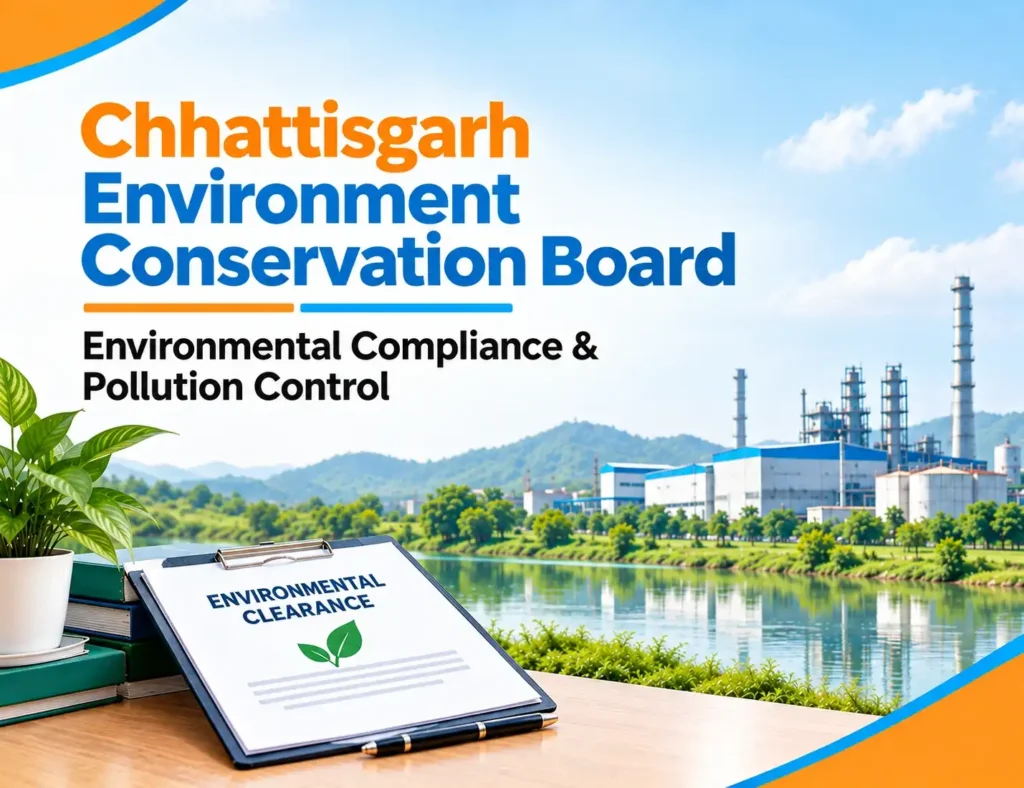
Chhattisgarh Environment Conservation Board (CECB) is committed to protecting Chhattisgarh’s environment and promoting sustainable development. As the leading regulatory body, CECB constantly works to monitor, control, and reduce pollution by ensuring a balance between human activities and nature.
CECB’s primary mission is to protect the environment and public health. It regulates business emissions, controls waste, preserves energy resources and enforces environmental regulations. By taking practical steps and delivering new projects, the Council aims to reduce pollution, protect wildlife, and create a healthy, green environment for current and future generations.
In addition to its regulatory responsibilities, CECB is also very important in terms of creating environmental awareness, promoting sustainable practices, and establishing partnerships with various stakeholders. The Council aims to promote a culture of environmental responsibility and integration through cooperation with public services, education, government institutions, businesses, and non-governmental organizations.
As the leading authority in Chandigarh for the protection and management of the environment and also shows the light for a better and more sustainable future by the CECB. By consistently working hard, they maintain a balance between human development and health, which helps them to be strong and prosperous for the future generation.
SOME OF THE WORK DONE BY THE CHHATISGARH ENVIRONMENT CONSERVATION BOARD (CSCB)
Chhattisgarh Environmental Protection Board (CECB) issues certificates, permits and No Certificate of Approval (NOCs) to regulate and monitor activities that may affect the environment. Here are some important information announced by CECB:
- Consent to Establish (CTE): This certification is required to begin new work, construction or expansion that will cause pollution. Ensures compliance with environmental legislation before the project begins
- Consent to Operate (CTO): After the project is established and becomes operational, Consent of Operation must be obtained from CECB. This certificate is updated regularly to ensure that the project operates in accordance with environmental regulations.
- Hazardous waste management authorization: Businesses that generate waste are required to obtain permission from the CECB to manage, treat and dispose of waste in accordance with regulations.
- Bio-Medical waste management authorization: Institutions such as hospitals, clinics and laboratories are required to obtain authorization from the CECB for the safe management and disposal of waste biomedical treatment they have developed.
- Plastic waste management authorization: Businesses that produce, process or recycle plastic materials need to obtain a permit from the CECB to ensure they comply with the Plastic Products Regulations.
- E-waste management authorization: Businesses that produce, refurbish, destroy or recycle electronic products need a permit from the CECB to manage e-waste in accordance with the law.
- Expansion/Alteration No Objection Certificate: Businesses looking to expand or change their operations are required to have a NOC from the CECB to ensure that the changes comply with environmental regulations and standards.
- Water and Air Monitoring Certificate: Businesses need a certificate from the CECB to show that they meet water and air management standards by monitoring and measuring waste and bad air.
Certificates, permits and NOCs are required to ensure businesses in Chhattisgarh comply with environmental regulations, prevent pollution and promote sustainable development.
Frequently asked questions
What is the Chhattisgarh Environment Conservation Board (CECB)?
Chhattisgarh Environmental Conservation Board is a government agency established to monitor, control and reduce pollution while promoting sustainable development in the Indian state of Chhattisgarh.
What are the primary objectives of the CECB?
The main purpose of the Chhattisgarh environment conservation board is to control pollution from business and industry, ensure that they comply with environmental laws, promote conservation and protect public health.
What types of pollution does the CECB regulate?
The Chhattisgarh board take control of different types of pollution like air, water land and some biochemical waste etc.
How does the CECB regulate industries and businesses?
The CECB regulates industries and businesses by giving construction approval and confirmation of approval certificates, inspecting them, taking pollution controlling measures, and imposing fines if they don't follow the rules.
What is the process for obtaining environmental clearance from the CECB?
If a business or project needs a work permit because it will impact the environment, it must submit a report to the CEC on how it will impact the environment. The board reviews the report and decides whether to approve the project.
How does the CECB handle complaints related to pollution?
If people detect contamination, the CECB has a way to lodge a complaint. People can lodge a complaint online, call the helpline or visit the CECB office in person.
What role does the CECB play in environmental education and awareness?
CECB organizes programs, workshops and events to educate people, businesses and others about the environment, how to protect it and what policies should be taken.
How does the CECB collaborate with other agencies and stakeholders?
CECB works with governments, NGOs, schools, businesses and local groups to develop plans to reduce pollution, share information and support activities that contribute to health.
What are the penalties for non-compliance with CECB regulations?
If a person or business does not comply with the rules set by the CEC, they may be subject to fines, temporary imprisonment or legal penalties. it totally relies on the problem how vast the problem is it and also see that it is good or bad for the environment
How can individuals and businesses contribute to pollution control efforts in Chhattisgarh?
They can help us to reduce the problem of pollution by taking ecofriendly methods, limited using of resources which help for the use of future generation and also following the rules and regulation make by the Chhattisgarh board